Top 10 Food Packaging Box Manufacturers for Global Buyers

Choosing among the Top 10 Food Packaging Box Manufacturers for Global Buyers takes more than comparing prices or reviewing glossy product photos. A dependable supplier must deliver consistent board strength, food-contact suitability, clear print, and reliable lead times. A box that arrives slightly crushed can turn a careful product launch into a costly problem. Details matter.

The market is large, but estimates vary by scope. Grand View Research’s Food Packaging Market Size, Share & Trends Analysis Report estimated the global market at USD 456.3 billion in 2023, with projected growth through 2030. That figure covers food packaging broadly, not boxes alone, so it should not be treated as a carton-market valuation. Still, it signals the scale of demand facing manufacturers. Food-packaging scholar Gordon L. Robertson, author of Food Packaging: Principles and Practice, emphasizes packaging’s role in protecting food quality during storage and distribution. That principle is a useful test for every supplier on this list.

This guide compares manufacturers on product range, customization, quality controls, production capacity, and export experience. Buyers should also ask for material specifications and physical samples; a digital mock-up cannot reveal how a box folds or handles moisture. No supplier is perfect. A strong factory may have longer lead times, while a fast option may offer fewer finishes. The right choice depends on the product, destination, and order size. These food packaging boxes manufacturers are starting points for a careful shortlist, not substitutes for buyer verification.
Top 10 Food Packaging Box Manufacturers for Global Buyers

Understanding Food Packaging Boxes and Their Main Types

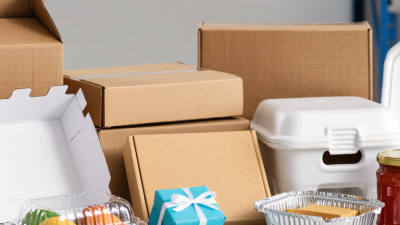
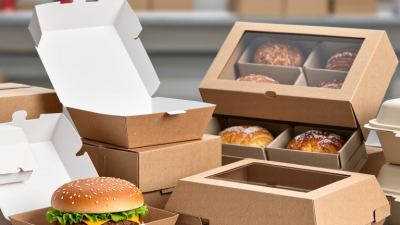
Food packaging boxes are designed around the food, its journey, and how customers handle it. Folding cartons suit dry goods such as cereal, tea, and bakery items; their flat panels offer clear space for product details. Corrugated boxes use fluted layers to cushion jars, produce, or meal-kit containers during shipping. Foodservice cartons and paperboard trays are shaped for takeaway meals, frozen foods, or ready-to-bake items. Fit matters. A box that is too loose lets products shift; one that is too tight can crush delicate contents.

Material choice also affects moisture resistance, stacking strength, and disposal options. A plain paperboard carton may work for dry biscuits, while oily or chilled foods often need a suitable liner or coating. These additions can complicate recycling, so packaging should be tested for its actual use rather than chosen by appearance alone. The FAO’s 2023 reporting on SDG food-loss indicators estimates that 13.2% of food is lost between harvest and retail. Protective packaging can help limit damage in that chain, though it cannot prevent every loss. That distinction is easy to overlook. For buyers, useful checks include box dimensions, load strength, contact suitability, and performance after exposure to humidity or cold storage. A neat sample is not proof of reliable performance.

Top 10 Food Packaging Box Manufacturers for Global Buyers — Understanding Food Packaging Boxes and Their Main Types

Typical structural layers in common food packaging formats

Folding cartons and molded-fiber packs are typically formed from one primary paper-based structure. Single-wall corrugated board has three paper layers, while double-wall board has five. Aseptic cartons commonly use six material layers, combining paperboard with polymer and barrier layers. Actual constructions vary by product and manufacturer; layer count alone does not indicate protection or recyclability.

Key Criteria for Evaluating Food Packaging Box Manufacturers

Top 10 Food Packaging Box Manufacturers for Global Buyers

Key Criteria for Evaluating Food Packaging Box Manufacturers

Choosing a food packaging box manufacturer takes more than comparing prices. Start with the intended food, filling process, storage conditions, and shipping route. A box for dry biscuits may need different barrier properties than one holding chilled pastries. Ask for material specifications and relevant food-contact documentation for your target market. Details matter.

Check how the supplier controls quality between sample approval and full production. Request samples, then inspect folds, glue lines, print clarity, and box dimensions. If possible, test them on your actual packing line. Ask how defects are recorded and handled. A perfect sample alone proves little. Also compare minimum order quantities, lead times, and the supplier’s ability to communicate delays clearly.

Tips: Ask for recent test reports, but confirm that they match the proposed material and use. Discuss ink, coatings, and recyclability together; a claim on one component may not describe the entire package. Note any unanswered questions. Sometimes the cautious choice is to run a small trial before committing to a large order.

Top 10 Food Packaging Box Manufacturers for Global Buyers - Key Criteria for Evaluating Food Packaging Box Manufacturers

No. Evaluation criterion What buyers should verify Useful evidence or reference
1 Food-contact compliance Confirm that the box, coatings, inks, adhesives, and any food-contact layer meet the rules for the destination market and intended use. For example, applicable requirements may include U.S. FDA food-contact regulations or EU Framework Regulation (EC) No 1935/2004 and GMP Regulation (EC) No 2023/2006. Request relevant declarations and supporting test documentation.
2 Packaging quality management Review documented controls for incoming materials, production, inspection, nonconformities, and corrective actions. Check the scope and validity of any ISO 9001 certification or packaging-specific audit certification; confirm that the certified site and processes match the order.
3 Material traceability Ask how paperboard, recycled fiber, coatings, and other components are identified and traced through production and shipment. Review batch records, supplier declarations, and a documented traceability or mock-recall procedure. Where relevant, check the scope of forestry chain-of-custody certification.
4 Material and structural performance Match board grade, thickness, flute or construction, and box design to product weight, stacking, handling, and storage conditions. Request material specifications and applicable test results, such as edge-crush or box-compression testing. Requirements should be set for the product and distribution route rather than assumed to be universal.
5 Moisture and grease resistance Determine whether the packaging will encounter condensation, chilled storage, wet handling, oily foods, or direct food contact. Request test methods and results appropriate to the use, such as water-absorption testing for paperboard or a relevant grease-resistance test. Verify that barrier treatments are suitable for the intended food-contact application.
6 Printing and finishing control Assess color consistency, print registration, legibility, coating durability, and controls that prevent unintended transfer to food-contact surfaces. Review approved proofs, color tolerances, ink and coating documentation, and the factory’s controls for curing, handling, and segregation of printed materials.
7 Sampling and production consistency Establish how pre-production samples are approved and how dimensions, strength, print, and workmanship are checked during runs. Request a written inspection plan, sample records, defect classifications, and a process for managing changes to materials or production settings.
8 Production capacity and lead time Compare available equipment, order quantities, seasonal capacity, tooling needs, and the production schedule for repeat orders. Obtain a written quotation with minimum order quantity, sample and tooling lead times, production lead time, and shipment milestones. Confirm capacity against the specific order forecast.
9 Export and logistics readiness Check export documentation, packaging for transit, pallet configuration, container loading plans, and experience with the destination market’s import requirements. Request sample shipping documents, carton and pallet specifications, agreed delivery terms, and a clear process for handling transit damage or delivery delays.
10 Sustainability and end-of-life claims Evaluate fiber sourcing, recycled content, material reduction, and whether coatings or mixed materials affect local collection and recycling. Ask for substantiation of environmental claims, recycled-content documentation, and applicable chain-of-custody evidence. Check recyclability against the actual collection and recycling systems in the target market.

Note: Food-contact, testing, certification, and recycling requirements vary by product, packaging construction, and destination market. Buyers should confirm current local requirements and request documentation for the specific packaging specification.

Global Standards and Sourcing Considerations for Buyers

Global buyers should treat food packaging standards as market-specific, not universal. Requirements can differ by destination, food type, and whether the box touches food directly. Ask suppliers for current food-contact declarations, test reports, and material specifications. Check that documents identify the tested material and intended use. A certificate without that detail may offer little reassurance.

Small details matter. For printed boxes, request evidence that inks and coatings are suitable for the intended application. For direct-contact packaging, confirm applicable migration testing and manufacturing controls. Traceability also matters: production records should connect material batches to finished orders. Local rules change, so buyers should verify requirements with qualified compliance professionals before shipment.

Sourcing checks should reach beyond paperwork. Compare samples for board thickness, folding accuracy, odor, and resistance to moisture. Rub the printed surface with a clean cloth; color transfer can signal a problem. Ask how defects are handled and how long repeat orders take. A factory visit or independent audit can help, but neither catches everything. Even a tidy audit may miss a weak process on a busy production day. Clear specifications, retained samples, and written inspection criteria make supplier discussions more reliable.

Top 10 Food Packaging Box Manufacturers for Global Buyers

Top 10 Food Packaging Box Manufacturers for Global Buyers

Choosing among the top food packaging box manufacturers means checking more than price and print quality. A dependable supplier should document board strength, food-contact suitability, moisture resistance, and batch consistency. Ask for test results and samples made with the same materials as the final order. A box that looks sturdy on a desk may soften in a chilled delivery van. Details matter.

Scale makes this choice important. Smithers’ report, The Future of Global Packaging to 2028, forecast that the global packaging market would exceed US$1.2 trillion by 2028.

For buyers, that growth brings more options, but supplier claims still need verification. Compare production capacity, lead times, export packing, and responses to quality problems. The FAO’s 2019 food-loss report estimated that 14% of food is lost between harvest and retail. Packaging cannot prevent every loss, but suitable cushioning and moisture control can help protect products in transit.

Tips

Request samples, confirm dimensions, and test boxes under realistic stacking and temperature conditions. Check whether quotes include tooling, shipping, and minimum order quantities. Keep written specifications for repeat orders. Test it first. A rushed supplier comparison can miss a small but costly detail.

Comparing Manufacturers by Materials, Capabilities, and Markets

Food packaging box manufacturers differ in materials, production scale, and the markets they serve. Some focus on folding carton board for bakery sleeves and takeaway meals. Others produce corrugated boxes designed to protect heavier food shipments. Compare material thickness, grease resistance, and how packaging performs after contact with chilled or moist products. A glossy sample can look convincing under showroom lights. It may still soften beside a warm, oily meal. Ask for samples that match your intended use.

Production capabilities matter just as much as material choice. Check whether a manufacturer can handle custom die-cut shapes, clear print registration, and repeat orders with consistent color. Ask about minimum quantities, sample approval, lead times, and how defects are handled. A low quote may exclude tooling or protective coatings, so compare full specifications rather than headline prices. Fit matters. Market experience also deserves scrutiny: export packaging may need stronger shipping cartons, while local food-service orders may prioritize quick replenishment. Request written specifications and inspect a production sample before committing. No comparison is perfect; suppliers may describe similar materials differently, and a promising sample cannot guarantee every production run.