
10 Best Food Packaging Companies for Global Buyers
Choosing a food packaging partner is not just a matter of comparing prices. A pouch that looks polished on screen must also seal reliably, protect its contents, and arrive in the right dimensions. For global buyers, the details can shape production schedules and customer experience. Small details matter.
This guide to 10 Best Food Packaging Companies for Global Buyers introduces suppliers with different materials, formats, and service capabilities. It considers practical factors such as customization, order flexibility, production capacity, quality controls, and communication across time zones. A clear print proof, a sample tested on the actual filling line, and consistent carton specifications can reveal more than a broad sales promise. Buyers should also ask how suppliers document material claims and manage changes in sourcing or lead times.
There is no single best choice for every product. A regional bakery may need short runs and quick artwork changes, while a large beverage brand may prioritize high-volume consistency. Sustainability claims can be especially difficult to compare; a recyclable label does not always explain local collection options. That deserves a closer look. The companies featured here offer a starting point, not a substitute for supplier checks. Compare requirements, request current specifications, and test samples before committing to a long-term food packaging program.
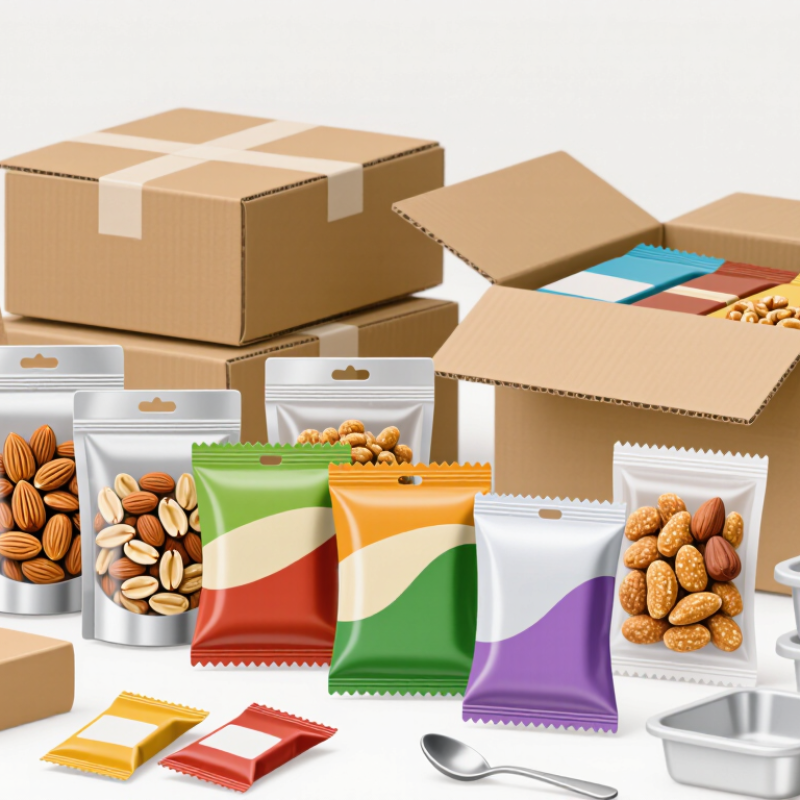
How Global Food Packaging Companies Are Evaluated
Global buyers should evaluate food packaging companies on performance, evidence, and dependable communication. A pouch that protects dry snacks may not suit chilled sauces. Ask how materials handle moisture, oxygen, heat, and transport. Small details matter. Request samples and test them with the actual product when possible.
Review food-contact documentation and test reports for the intended packaging and destination markets. Check whether specifications, batch records, and change notices are easy to obtain. Traceability matters when a shipment arrives with inconsistent seals or print quality. If answers are vague, ask for supporting records. That is not always easy.
Compare production capacity, lead times, minimum order quantities, and shipping options against your forecast. A low unit price can be offset by storage needs, setup costs, or delayed deliveries. Look for clear evidence behind sustainability claims, such as material composition or recyclability guidance for the target market. I would leave room for a plant visit or independent sample testing; a polished brochure is not proof. No checklist catches every problem, and a scorecard can hide trade-offs.
10 Best Food Packaging Companies for Global Buyers - How Global Food Packaging Companies Are Evaluated
This is a buyer-focused evaluation framework, not a ranking of named suppliers. The weights are suggested comparison weights; buyers should verify claims against current documents and the requirements of each destination market.
| Evaluation dimension | Suggested weight | What global buyers should assess | Evidence to request or verify |
|---|---|---|---|
| Food-contact compliance | 18% | Whether the specific packaging material and intended use meet applicable food-contact requirements in the buyer’s markets. | Material declarations, migration-test reports where applicable, and documentation identifying the material, food type, contact conditions, and destination market. |
| Food-safety management | 14% | Controls for hygiene, hazards, traceability, corrective actions, and prevention of contamination during production. | Current certificates or audit reports, such as applicable FSSC 22000 or BRCGS Packaging Materials certification; check site, scope, and validity. |
| Quality consistency | 12% | The supplier’s ability to maintain agreed specifications across production runs, including dimensions, seal performance, appearance, and print quality. | Product specifications, inspection plans, sample test results, defect and complaint procedures, and relevant quality-management certification. |
| Packaging performance | 11% | Suitability for the product and distribution conditions, including barrier needs, sealing, shelf-life objectives, and resistance to handling or transport. | Application-specific test data, trial results, and clearly stated limitations; confirm performance with the buyer’s product and packing process. |
| Sustainability and end-of-life fit | 10% | Material use, recycled content where appropriate, and whether the packaging can be collected and processed in the buyer’s intended markets. | Material composition, substantiation for environmental claims, recyclability or compostability evidence, and market-specific collection or processing conditions. |
| Regulatory and documentation support | 10% | Ability to provide accurate, current documentation for the relevant product, material, and destination market. | Declarations and technical files relevant to the order. For example, EU food-contact rules or applicable U.S. FDA requirements may be relevant depending on the product and use. |
| Production capacity and flexibility | 8% | Whether available equipment, production slots, and minimum order quantities fit forecast volumes and seasonal demand. | Capacity statements for the relevant facility, confirmed lead times, minimum order quantities, and contingency plans for peak periods. |
| Supply-chain reliability | 7% | Delivery performance, material sourcing continuity, export experience, and the supplier’s approach to disruption risks. | Recent delivery-performance records, sourcing and continuity plans, shipping terms, and references for comparable export requirements. |
| Customization and design support | 5% | Ability to develop suitable formats, artwork, print specifications, and prototypes without compromising technical requirements. | Prototype process, artwork approval workflow, tooling or plate costs, and written confirmation of final product specifications. |
| Technical service and responsiveness | 5% | Access to technical support for trials, troubleshooting, specification changes, and post-delivery issues across time zones. | Named support contacts, response-time commitments, escalation procedures, and documented assistance during sample or production trials. |
| Total | 100% | Apply the same scoring method and evidence requirements to every supplier being compared. | |
Suggested scoring method: rate each dimension from 1 to 5 based on verified evidence, multiply the rating by its weight, and compare the resulting weighted scores. Confirm applicable legal requirements with qualified regulatory advisers for each product and destination market.
Related Posts
-
What Is the Best Food Packaging Manufacturer in China?
-
What Are the Best Food Packaging Design Companies in China?
-
Essential Tips for Choosing Food Packaging Materials?
-
How to Choose Effective Food Packaging Design in 2026?
-
10 Best Food Packaging Design Ideas to Elevate Your Brand
-
Top 10 Food Packaging Materials for Global Buyers?