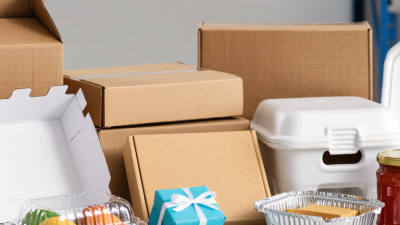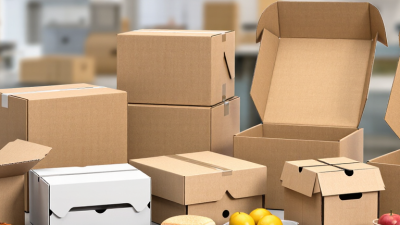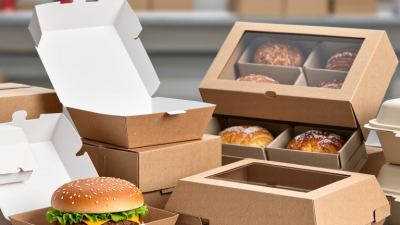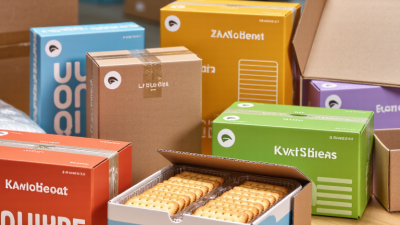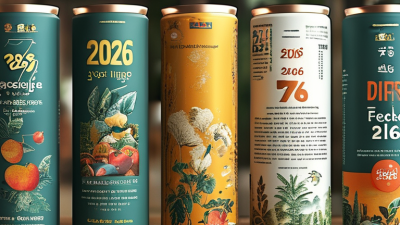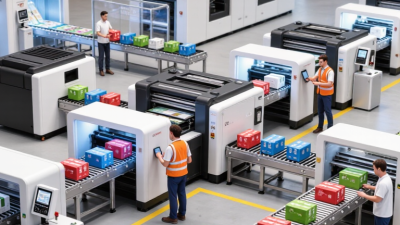
A customer often meets your product through its box before tasting what is inside. Food packaging boxes protect meals in transit, organize products on shelves, and carry practical details such as ingredients and handling instructions. Their value is easy to overlook. Until a corner arrives crushed.
The scale of food loss makes packaging decisions worth careful attention. The FAO’s 2019 report estimated that 14% of food was lost between harvest and retail. UNEP’s 2024 Food Waste Index estimated 1.05 billion tonnes of food waste in 2022, across households, food service, and retail. These figures do not prove that packaging alone prevents waste. They do show why businesses should consider protection, storage, and product handling together.
Packaging educator Walter Soroka defines packaging as “the science, art and technology of enclosing or protecting products for distribution, storage, sale, and use.” For food businesses, that idea becomes tangible: a sturdy carton can help keep a takeaway meal level, while a well-sized box can reduce movement during delivery. Clear printing can also help customers identify a product quickly. But more packaging is not automatically better. A box that protects well yet uses unnecessary material may miss the mark. The right choice depends on the food, the route, and the customer experience. It is a practical decision—and one worth reviewing after real orders reach real doorsteps.
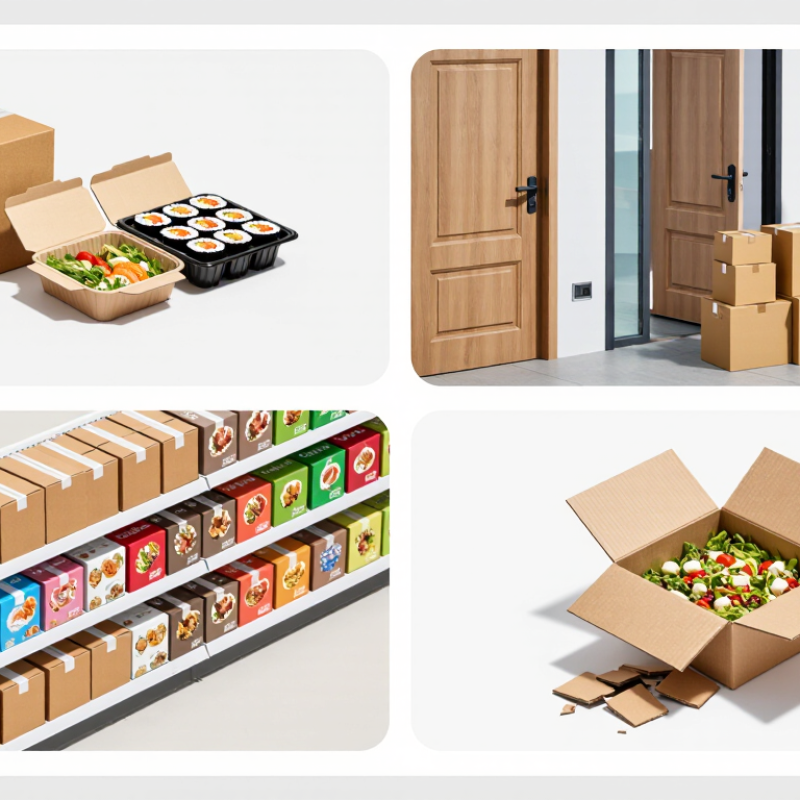
Food packaging boxes are containers made to hold and protect meals during storage, handoff, or delivery. They may be made from paperboard, corrugated board, or coated materials, depending on the food’s weight, temperature, and moisture. Folds and locking tabs help keep portions in place, while sturdy bases reduce crushing. A hot sandwich may need ventilation to release steam; otherwise, its bread can turn soft. Not every box suits every meal.
Tips: Match the box size to the serving so food does not slide around. Test it with real portions, including greasy or moist items. Check the box after the usual delivery time. Small details matter.
In daily use, staff assemble boxes, place food inside, and close them for transport or display. Some designs use separate liners or compartments to keep sauces from soaking into other foods. Packaging should be suitable for its intended food contact, but a box cannot replace clean handling or safe storage. A neat design may look good on a counter yet feel awkward to assemble during a busy lunch rush. That trade-off is easy to miss.
Food packaging boxes help protect food from pressure, dust, and handling during storage and delivery. A sturdy outer box can keep takeaway containers upright, reducing spills and crushed edges. Inside, a snug fit matters. Too much empty space lets items slide; tight packing can squeeze soft foods. Small details matter.
Freshness depends on the food and the journey. A grease-resistant liner can help contain oils, while a well-closed lid limits exposure to air and outside contaminants. For chilled items, insulated packaging may slow temperature changes, but it cannot replace proper refrigeration. Moisture changes everything. Trapped steam can soften crisp foods, so some meals need vents or packaging that releases condensation. The right design is not always the most sealed one.
Packaging also needs to suit the product’s weight, shape, and serving temperature. A box that works for pastries may be a poor choice for hot noodles. Test it with real portions and realistic delivery times: check for leaks, soggy corners, and shifting contents. This takes effort, and results can vary with weather or handling. Even a good box has limits. A damaged seal or long delay can still affect quality.
A food packaging box is often the first physical touchpoint between a business and its customer. Its shape, colors, typography, and finish can suggest that the food feels playful, refined, or familiar. Repeating visual cues across takeaway and delivery packaging makes recognition easier. Yet appearance only works when the box performs well. A lid that shifts or a greasy panel can weaken trust faster than polished graphics can build it. Details show.
Thoughtful packaging design also shapes how customers handle and remember a meal. Clear openings, secure folds, and a sensible fit reduce spills and make eating more comfortable. For hot or saucy foods, material and ventilation choices can affect texture, so testing boxes with actual menu items is useful. Staff feedback may reveal whether packages stack neatly during a lunch rush or take too long to assemble. Test it. Review the design in ordinary conditions: wet hands, crowded bags, and a short walk home. A color that looks warm on screen may print dull, while a clever message may be hard to read in dim lighting. Small production samples and customer comments can guide revisions, though no design choice will suit every meal or setting.
| Packaging format | Common food uses | Protection and handling | Customer experience | Brand identity opportunities | End-of-life considerations |
|---|---|---|---|---|---|
| Folding paperboard carton | Dry foods, tea, confectionery, and boxed meal products | Provides structure and surface protection; usually needs an inner bag or liner when moisture or oxygen protection is required. | Lightweight and easy to open; clear panels or printed instructions can help customers identify and use the product. | Offers broad printable surfaces for product information, illustrations, color, and consistent design across product ranges. | Paperboard may be recyclable where local collection accepts it. Plastic windows, coatings, and food residue can affect sorting or acceptance. |
| Corrugated fiberboard box | Produce, meal kits, bakery deliveries, and food shipped in multiple units | Fluted layers add cushioning and stacking strength; performance depends on board grade, box design, and exposure to moisture. | Supports organized delivery and can help keep products together; suitable sizing can reduce movement during transit. | Exterior printing, labels, and opening features can make delivery packaging recognizable and easier to handle. | Often recyclable when clean and dry, subject to local collection rules. Grease and wet food contamination can limit recovery. |
| Molded-fiber tray or carton | Eggs, produce, and some prepared foods | Formed cavities can separate items and help limit impact damage; moisture resistance varies by design and treatment. | Shaped compartments help keep products in place and make portions easier to see or remove. | Texture and molded shapes create a distinct tactile presentation; labels or sleeves can provide additional product information. | Disposal options depend on material composition and local facilities. Coatings or food contamination can affect recycling or composting routes. |
| Rigid plastic container with lid | Salads, deli foods, sauces, and chilled prepared meals | Can contain liquids and protect contents from handling; food-contact suitability and temperature limits depend on the specific material. | A clear container can show the food before purchase; a well-fitting lid can support carrying and storage. | Shape, transparency, labels, and opening details influence shelf presentation and ease of use. | Recycling depends on resin type, container design, cleanliness, and local collection. Lids and labels may need separate handling in some systems. |
| Flexible pouch or bag | Snacks, frozen foods, grains, and dry ingredients | Can be designed to provide barriers against moisture, oxygen, or light; the level of protection depends on the film structure and seal. | Lightweight and compact; resealable closures can help with repeated use when included and properly designed. | Large printable areas support clear product identification, preparation guidance, and visual differentiation on shelves. | Multi-material layers can be difficult to recycle through standard curbside systems; acceptance varies by location and collection program. |
| Glass jar or bottle | Sauces, preserves, beverages, and pickled foods | Provides a rigid container and can form an effective closure when paired with a suitable lid; glass is breakable and adds weight. | Transparent glass can display the contents; a wide opening may make some products easier to access. | The container shape, label, closure, and visible product can create a distinctive shelf presentation. | Glass is recyclable in many areas, but collection rules vary. Reuse requires appropriate cleaning, inspection, and a suitable return or refill system. |
Packaging performance and disposal options vary by food, material specification, product-contact requirements, and local waste-management systems. Confirm suitability and recycling guidance for the intended market.
Food packaging boxes do more than carry a meal from a kitchen to a customer. They create a physical barrier against dust, handling, and accidental contact during packing and delivery. For a bakery, a snug box can keep pastries from sliding into one another. For prepared meals, compartments and secure closures help limit spills. Small details matter.
Materials must suit the food and its conditions. A box holding a warm, oily meal needs different performance from one used for dry cookies. If moisture weakens the walls, stacked packages may sag before they reach the customer.
Food-safe inner surfaces, clean packing practices, and sound seals all support hygiene, but packaging alone cannot make unsafe food safe. Temperature control still matters. That part is easy to overlook.
Storage and distribution put packaging under pressure. Boxes may sit in a cool room, ride in a crowded vehicle, or be stacked for several hours. Clear labeling and practical sizing help staff store and move them with fewer mix-ups. A slightly loose lid can turn a neat order into a messy handoff. It seems minor, until a customer opens the box.
Testing packaging with real menu items and typical delivery routes can reveal weak corners, trapped steam, or awkward handling before those problems become routine.
Choosing food packaging boxes starts with the food itself. A dry pastry needs different protection from a saucy takeaway meal. Consider heat, moisture, oil, and how long the food will sit inside the box. A greasy dish may stain thin paper, while trapped steam can soften a crisp crust. Fit matters. Measure the portion and leave enough room to close the box without crushing delicate items.
Next, match the material and construction to storage and delivery conditions. Check that the packaging is intended for contact with the food you serve, and ask suppliers for clear product specifications. For hot meals, test whether the box keeps its shape and can be handled comfortably. For delivery, pack a sample as you would for a real order, then check for leaks, shifting, and damage after a short trip. Test it first. Small trials can reveal problems that a product photo cannot.
Practical details also affect daily service. Boxes should stack neatly, open without a struggle, and fit your storage shelves. A simple label area can help staff identify orders quickly. If sustainability matters to your customers, look for specific material and disposal information rather than relying on vague claims. It is tempting to choose the cheapest option, but a box that fails can cost more in refunds and wasted food. Still, there is no perfect choice; review customer feedback and adjust as your menu or delivery routine changes.
When choosing food packaging boxes, consider how well the material protects food and whether it can be recycled where your customers live.
In 2018, paper and paperboard had a higher recycling rate than the other listed material groups. These figures cover materials across all uses, not food packaging alone; actual recycling options depend on local programs. Source: U.S. Environmental Protection Agency, Facts and Figures about Materials, Waste and Recycling.